
Does Adding an Electrical Subpanel Increase Your Home’s Capacity?
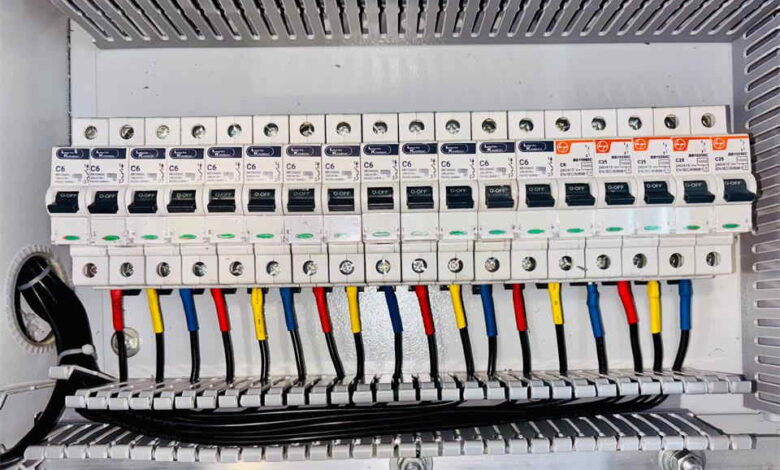
A subpanel doesn’t add capacity to your house. It adds breaker spaces, which is a completely different thing. Confusing the two can leave homeowners wondering why their electrical system still struggles to accommodate new appliances and equipment. The subpanel was supposed to buy ten more years of headroom. What it bought was more places to connect circuits to the same existing service.
That distinction sounds like semantics until the heat pump trips the main, or the EV charger refuses to commission, or an inspector points at a load calculation nobody did. Then it stops being semantic in a hurry.
Breaker Space and Ampacity Are Not the Same Thing
Walk into most crowded panels and the symptom looks identical: tandem breakers stacked wherever they’ll fit, two circuits sharing a slot designed for one, maybe a hand-labeled sticker from a previous owner. The instinct is to make room. A subpanel does that cleanly. You run a feeder off the main, mount a second enclosure in the garage or basement, and suddenly there are twelve or twenty fresh slots to work with.
Slots aren’t the number that matters. Amps are. The service coming into your house, 100A or 125A or 200A, has a capacity limit determined by the service equipment and conductors. A subpanel sits downstream of all of that.
It redistributes what you already have, and it doesn’t conjure more. A clear GreenHome explainer on home electrification walks through this exact distinction, with worked examples of what a 100A service can and cannot absorb before something has to give.
Why Adding a Subpanel Felt Like the Right Move
The logic is understandable. A subpanel is often cheaper than a full service upgrade, but the right choice depends on the home’s existing electrical capacity and future needs. Understanding electrical panel upgrade costs can help homeowners compare their options and budget for improvements that will support additional appliances and equipment.
For a kitchen remodel adding three or four new circuits, or a finished basement that needs its own lighting and receptacles, a subpanel is often the right call. The existing service had plenty of headroom. You were only ever short on real estate inside the enclosure.
The problem shows up later, when the loads being added aren’t small. A Level 2 EV charger may draw 40 or 48 amps continuously. A heat pump water heater and a ducted heat pump together can push a mid-century 100A service beyond what the electrical load calculation allows, even if the breakers never trip.
ENERGY STAR’s electric-ready guidance discusses electrical capacity considerations when preparing homes for equipment such as heat pumps and EV chargers. A subpanel alone does nothing to increase the available service capacity.
What Actually Fixes It
The right starting point is a load calculation on the existing service, done against the actual appliances the house runs today and the ones you plan to add. That calculation helps determine which of three paths makes sense:
- Subpanel alone. The service has headroom. You were only short on breaker space. Add the subpanel, size the feeder correctly, and move on.
- Subpanel plus load management. The service is close to its limit, but an approved energy management system or compatible EV charging equipment may be able to limit electrical demand when other loads are active. This can be a legitimate code-compliant option and may cost less than a full upgrade.
- Service upgrade. If the calculated demand exceeds the existing service capacity and suitable load management options aren’t practical, an upgrade may be necessary. This can involve replacing the main panel, meter equipment, and potentially service conductors, depending on the installation and utility requirements.
Order matters. Do the calculation first. Pick the path second. The homeowners who end up frustrated are the ones who bought hardware before anyone did the math, then tried to make the math fit the hardware.
Ask These Questions Before You Sign the Bid
A good electrician will raise these without being prompted. If yours doesn’t, raise them yourself.
- What’s the calculated demand? Ask to see the load calculation, not a verbal estimate. It should account for the home’s major electrical loads and applicable demand factors.
- What’s the feeder sized for? A subpanel feeder must be properly sized for the calculated load, including applicable continuous-load requirements. Conductor sizing also needs to account for installation conditions and voltage drop on longer runs.
- Who pulls the permit? Jurisdictions vary, and electrical work may require permits and inspections. Confirm who’s responsible for obtaining the necessary approvals before work begins.
- What’s the plan for the next load? If a heat pump or EV charger is on the horizon, say so now. Sizing for today and discovering the ceiling eighteen months from now is the exact trap this article is about.
A subpanel is a useful tool, and it isn’t a capacity upgrade in disguise. Size the service to the house you’re actually going to run, use the subpanel for what it does well, and you’ll be better prepared for future electrical needs.