
The MOQ Myths That Keep Manufacturers Overbuying Specialty Inputs
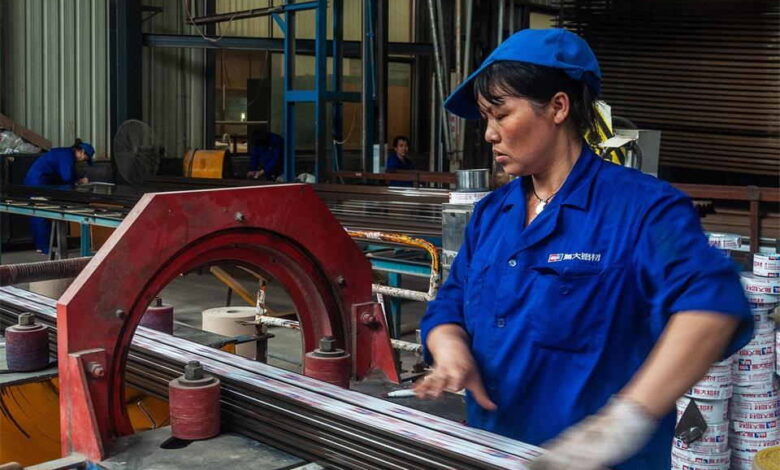
Most buyers assume a minimum order quantity is a paperwork threshold set by the sales rep. It’s not. The MOQ on a specialty input is a physical output of how that material gets made, packed, and shipped, and it decides more about your inventory position than your reorder point does.
Once the MOQ runs bigger than your real usage, every option left on the table costs money: overbuy, overstock, or redesign around the constraint.
Those costs hide well. They show up as write-downs, working capital tied up in a corner of the warehouse, and specifications rewritten to match what a supplier will actually ship. A few myths keep buyers from seeing it clearly.
Myth: The Only Real Cost of Overbuying Is the Cash You Spent
The invoice is the smallest part. A Harvard Business Review analysis of HP’s supply chain found that traditional holding costs account for only a fraction of what excess inventory actually costs a business, with the rest hidden in component devaluation, price protection, and obsolescence.
Specialty inputs behave the same way. A drum of a specific binder, a pallet of a niche mineral, a super-sack of a graded aggregate: every month it sits, its usable value slips.
Refractories and industrial minerals bring their own decay curves. Hydratable binders age, fines segregate, and moisture creeps into bagged material that was specced dry.
By the time you reach into the pile a year later, the batch may not run the same, and the write-down never gets tagged back to the MOQ that forced the buy.
Myth: A Higher MOQ Just Means Buying More at Once
The knock-on effects run deeper than the purchase order. When the MOQ sits well above real consumption, safety stock stacks on top of a cover you already didn’t want, and inventory turns collapse. That extra cover isn’t free storage.
- Working capital drag. Cash sits in a bag of material instead of funding the next order or the next tooling change.
- Space and handling. Specialty inputs often need climate control, segregation, or specific racking, and that footprint carries an opportunity cost.
- Quality risk. Longer time on the floor means more chance of contamination or a lot that ages out of spec before it’s used.
Myth: You Can Just Negotiate the MOQ Down
Sometimes you can. Often you can’t. MOQs on specialty inputs usually reflect the smallest batch the supplier can economically make on a shared line, plus packaging and freight class. Push too hard and the price per unit climbs to match, or the lead time stretches until the savings disappear.
The more productive conversation is about consolidation. A sourcing partner that aggregates demand across several buyers, such as Diversified Ceramic Services, can hit a supplier’s batch minimum without any one plant having to swallow a year of cover. That’s a different lever than negotiation, and it tends to move when negotiation won’t.
Myth: Redesigning Around an MOQ Is a Last Resort
Redesign gets treated as the nuclear option when it shouldn’t be. When a single low-volume input drives an outsized MOQ, part consolidation and material standardization can cut the number of SKUs a plant has to carry, which is the entire premise behind design-for-manufacture methods.
The practical version for a materials buyer is smaller: swap two near-identical grades for one qualified grade, or move a low-volume additive into a pre-blend that a supplier already stocks. The MOQ doesn’t disappear. It just stops landing on a SKU that barely moves.